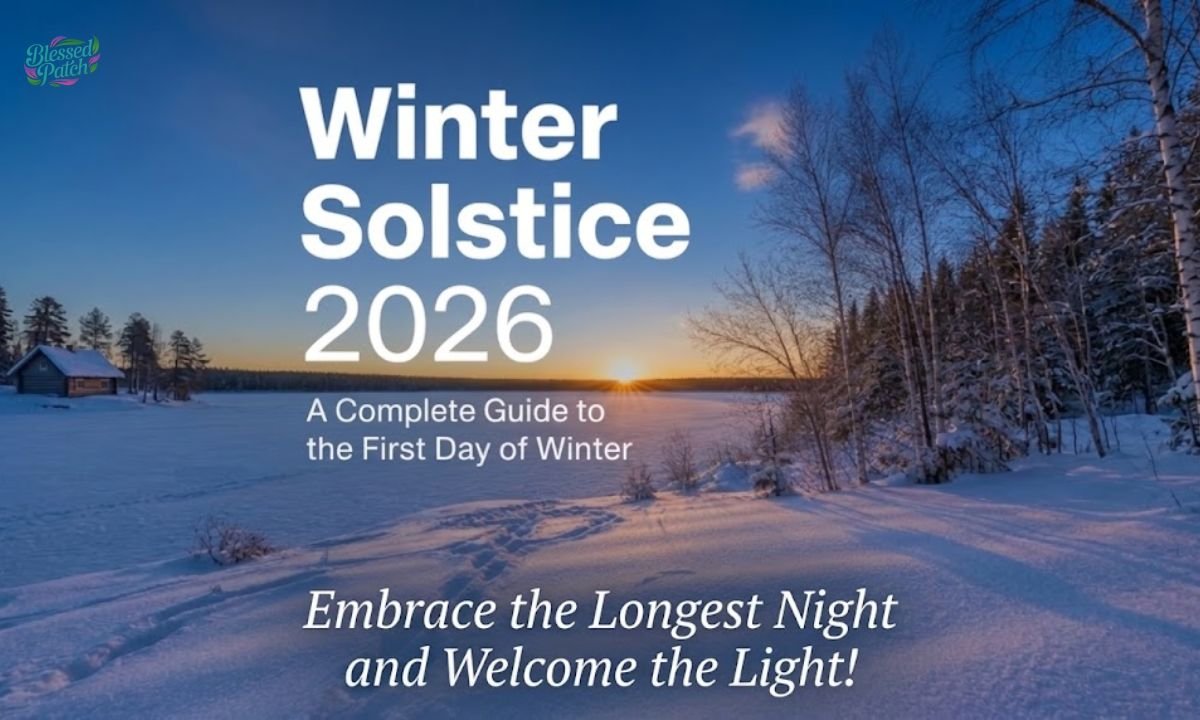
The Winter Solstice 2026 marks a special turning point in the year. It brings the first day of winter and the longest night of the year. The day is filled with quiet beauty and seasonal change. It is also a time to enjoy winter traditions and peaceful moments.
Many people wonder when winter starts and why the solstice is important. This guide explains the winter solstice, its date, traditions, and meaning. You will also learn about the shortest day and longest night. Discover simple ways to welcome the new winter season.
What Is the Winter Solstice?
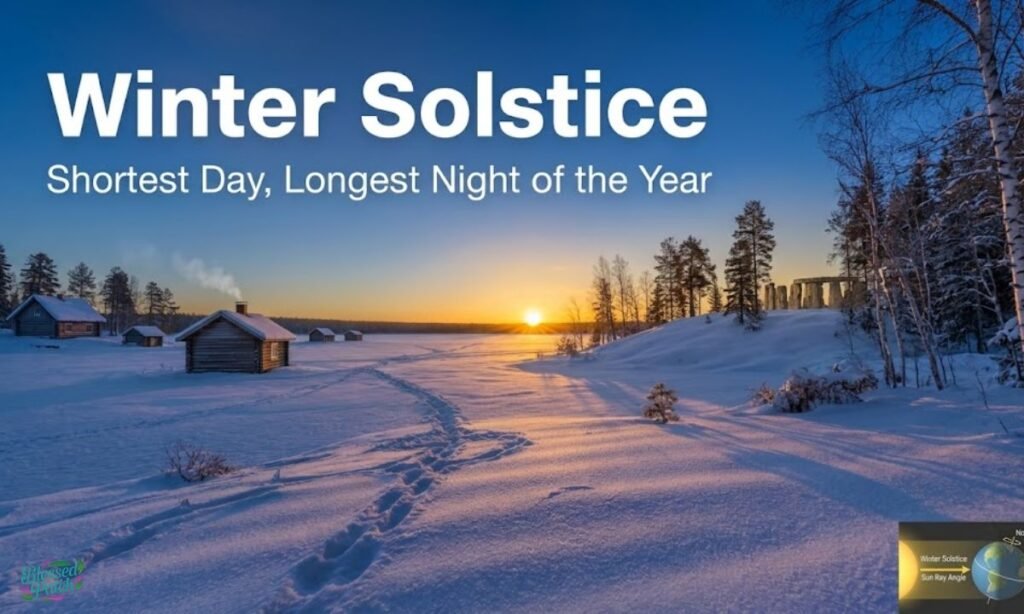
The winter solstice is an astronomical event that marks a major seasonal change in the Northern Hemisphere. It brings the shortest daylight period and the longest night of the year.
When Is the Winter Solstice 2026?
The Winter Solstice 2026 occurs on December 21, 2026, marking the point when the Northern Hemisphere receives its least direct sunlight. The exact time varies by location.
When Is the First Day of Winter?
The winter solstice is considered the first day of astronomical winter in the Northern Hemisphere. It begins a new seasonal cycle and is followed by gradually increasing daylight.
When Does Winter Start in 2026?
In the Northern Hemisphere, winter starts in 2026 on December 21 according to the astronomical calendar. Meteorological winter follows a fixed calendar schedule and begins on December 1.
Winter Solstice Dates for the Next Five Years
The winter solstice marks the shortest day and longest night of the year in the Northern Hemisphere. Its exact date and time can vary slightly from year to year. The table below shows the winter solstice dates from 2026 to 2030, with times in U.S. Eastern Time and Coordinated Universal Time (UTC). These times are based on data from the U.S. Naval Observatory.
| Year | Date | Eastern Time (EST) | UTC |
| 2026 | Monday, December 21 | 3:50 p.m. | 20:50, December 21 |
| 2027 | Tuesday, December 21 | 9:42 p.m. | 02:42, December 22 |
| 2028 | Thursday, December 21 | 3:19 a.m. | 08:19, December 21 |
| 2029 | Friday, December 21 | 9:14 a.m. | 14:14, December 21 |
| 2030 | Saturday, December 21 | 3:09 p.m. | 20:09, December 21 |
Note: Eastern Time is shown as EST (UTC−5). In 2027, the solstice occurs on December 21 in Eastern Time but December 22 in UTC because of the time difference.
What Does “Solstice” Mean? The Astronomy
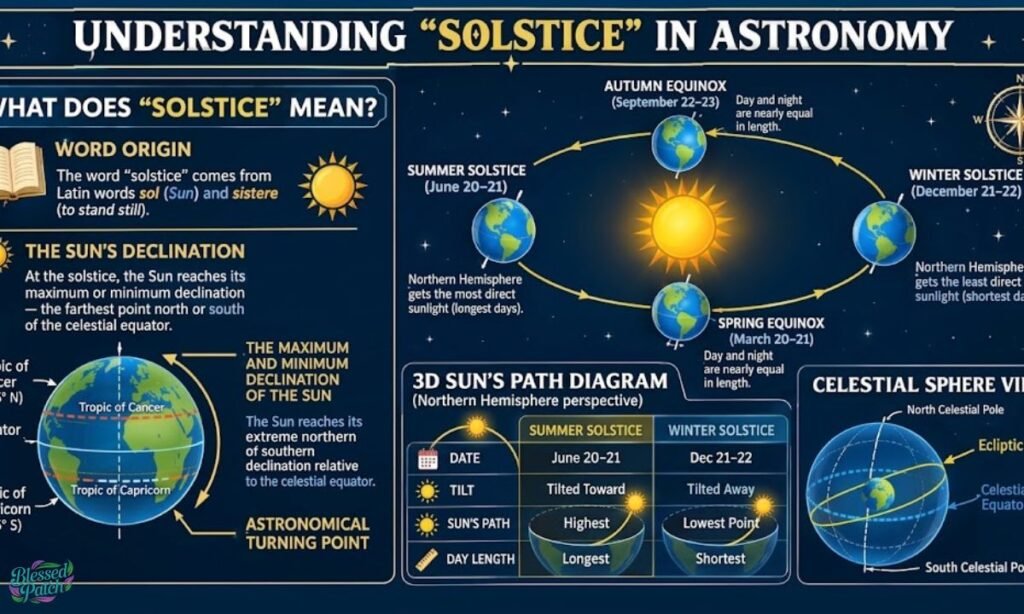
The word solstice comes from Latin words meaning “Sun” and “to stand still.” It describes the point when the Sun appears to pause before changing its direction in the sky. This happens because Earth travels around the Sun while rotating on a tilted axis. The two solstices mark important turning points in the annual solar cycle.
During the winter solstice, Earth’s tilt places the Northern Hemisphere farthest away from the Sun. As a result, the Sun appears lower in the sky at midday than it does during other times of the year. The exact solstice moment occurs at the same instant worldwide, although local dates and times may differ. These changes help astronomers understand Earth’s seasonal movements.
Day Length on the Winter Solstice: City by City
The Winter Solstice 2026 falls on December 21 in the Northern Hemisphere. It brings the shortest period of daylight of the year, but the number of daylight hours varies by location. Cities farther north usually experience shorter days than cities closer to the equator.
The table below shows the approximate sunrise, sunset, and daylight hours for selected cities on December 21, 2026. All times are local to each city, and daylight is measured from sunrise to sunset.
| City | Sunrise | Sunset | Total Daylight |
| Miami, USA | 7:03 a.m. | 5:35 p.m. | 10 hours 32 minutes |
| Los Angeles, USA | 6:55 a.m. | 4:48 p.m. | 9 hours 53 minutes |
| New York City, USA | 7:17 a.m. | 4:32 p.m. | 9 hours 15 minutes |
| Chicago, USA | 7:15 a.m. | 4:23 p.m. | 9 hours 8 minutes |
| Toronto, Canada | 7:47 a.m. | 4:43 p.m. | 8 hours 56 minutes |
| Seattle, USA | 7:55 a.m. | 4:20 p.m. | 8 hours 25 minutes |
| London, UK | 8:03 a.m. | 3:53 p.m. | 7 hours 50 minutes |
| Anchorage, Alaska | 10:15 a.m. | 3:41 p.m. | 5 hours 26 minutes |
Source: Published 2026 winter solstice daylight calculations. Times are approximate and may vary slightly by source and location within a city.
Key takeaway: Miami receives more than 10 hours of daylight, while Anchorage gets only about 5½ hours. This difference shows how latitude affects daylight during the winter solstice.
Winter Solstice Traditions Around the World
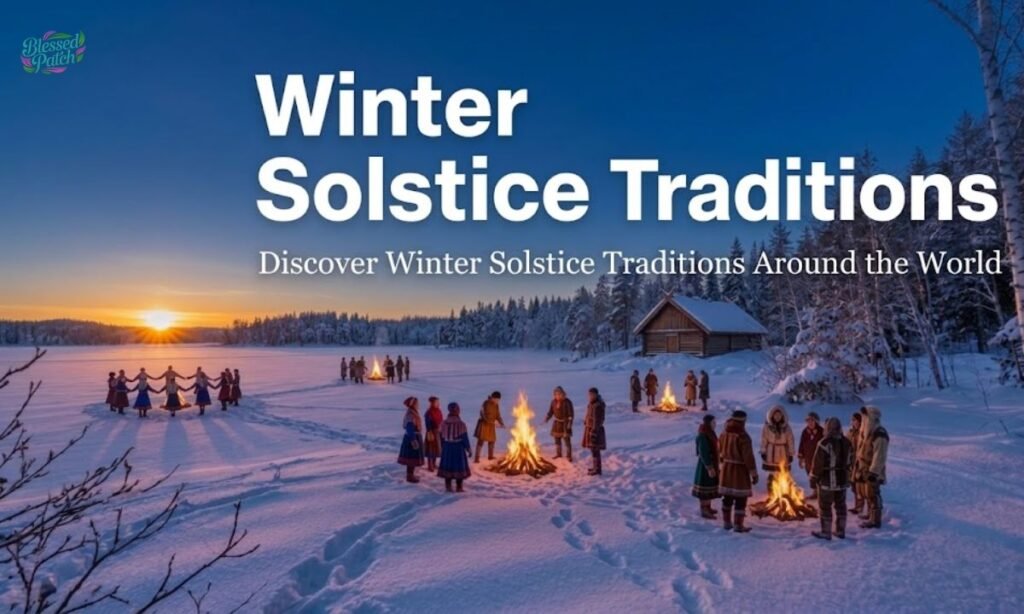
The winter solstice has inspired traditions and celebrations in many cultures for centuries. People mark this seasonal turning point with festivals, family gatherings, special foods, and spiritual ceremonies. These customs reflect different beliefs about nature, light, renewal, and the changing seasons.
Winter Solstice at Stonehenge, England
Stonehenge is a famous prehistoric monument in England associated with the winter solstice. The stones align with the setting Sun during this time of year. People gather to witness the sunset and reflect on the monument’s ancient significance. The gathering brings together historical interest, cultural traditions, and spiritual observance.
The Feast of Juul (Yule)
Yule is a traditional midwinter festival with roots in Northern European and Germanic cultures. One historic custom involved burning a Yule log as part of winter celebrations. Today, Yule is observed by some modern pagans and people following nature-based spiritual traditions. Its themes often include warmth, renewal, and the return of longer days.
Dongzhi Winter Solstice Festival

The Dongzhi Festival is celebrated in China and other East Asian communities around the winter solstice. Families gather to share traditional foods and spend time together. In southern China, people often enjoy tangyuan, sweet rice balls that symbolize family unity. The festival welcomes the gradual return of longer daylight hours.
Saturnalia
Saturnalia was an ancient Roman festival held in honor of Saturn, the god of agriculture. Celebrations included feasting, gift-giving, and social gatherings. Some customs allowed temporary changes to normal social roles, creating a lively festive atmosphere. Although Saturnalia was not always held on the solstice itself, it became closely associated with the Roman midwinter season.
Soyal of the Hopi
Soyal is a sacred winter ceremony observed by the Hopi people of Arizona. It marks an important seasonal turning point and focuses on prayer, renewal, and the well-being of the community. Ceremonies may include traditional dances and religious practices. Soyal carries deep cultural and spiritual meaning within Hopi life.
Alban Arthan and Newgrange
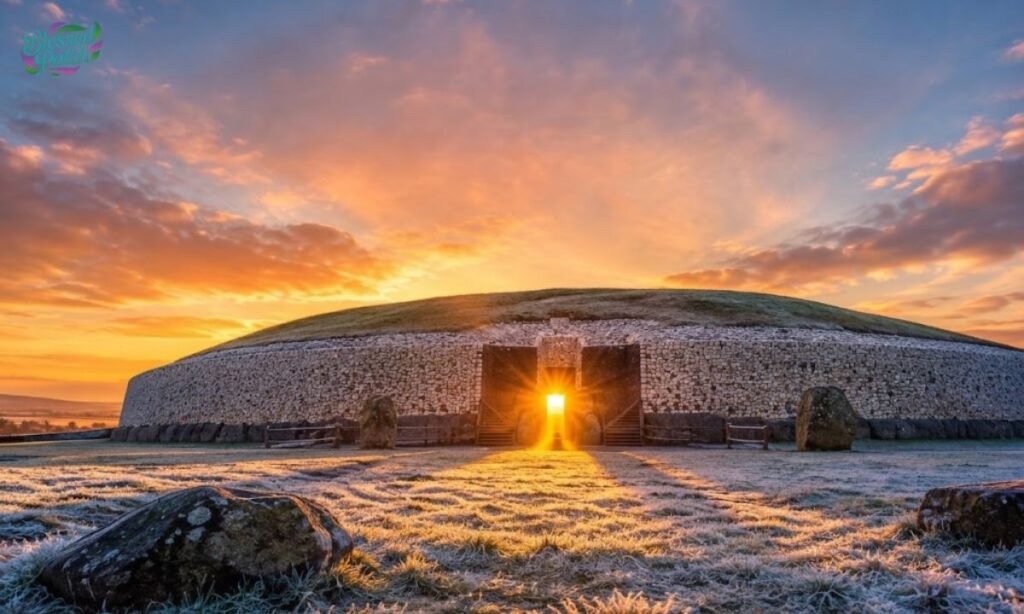
Alban Arthan is a Welsh name associated with the winter solstice and the return of light. In Ireland, the ancient passage tomb of Newgrange is famous for its winter solstice sunrise. On clear mornings, sunlight enters the inner chamber through a specially designed opening. This remarkable event connects an ancient monument with the changing seasons.
Shab-e Yalda (Yalda Night) in Iran
Shab-e Yalda, also known as Yalda Night, is a traditional Iranian celebration held on the longest night of the year. Families and friends gather to share food, read poetry, and enjoy one another’s company. Pomegranates and watermelons are popular symbols of the celebration. Yalda represents togetherness, hope, and the arrival of brighter days.
Toji: Japanese Winter Solstice Traditions
In Japan, Toji marks the winter solstice with customs focused on health and seasonal well-being. A popular tradition is bathing in a yuzu citrus bath, which is believed to bring good fortune and protect against winter illnesses. Many people also eat kabocha squash, a winter vegetable. These customs welcome the season with warmth and care.
Dongji: Winter Solstice Traditions in Korea
Dongji is the Korean name for the winter solstice and is traditionally associated with eating patjuk, a red bean porridge. Red has been linked with protection against misfortune in Korean folk beliefs. Families may share the dish as they welcome the seasonal turning point. Dongji combines food traditions, cultural symbolism, and hopes for a healthy year ahead.
Christmas and the Winter Solstice
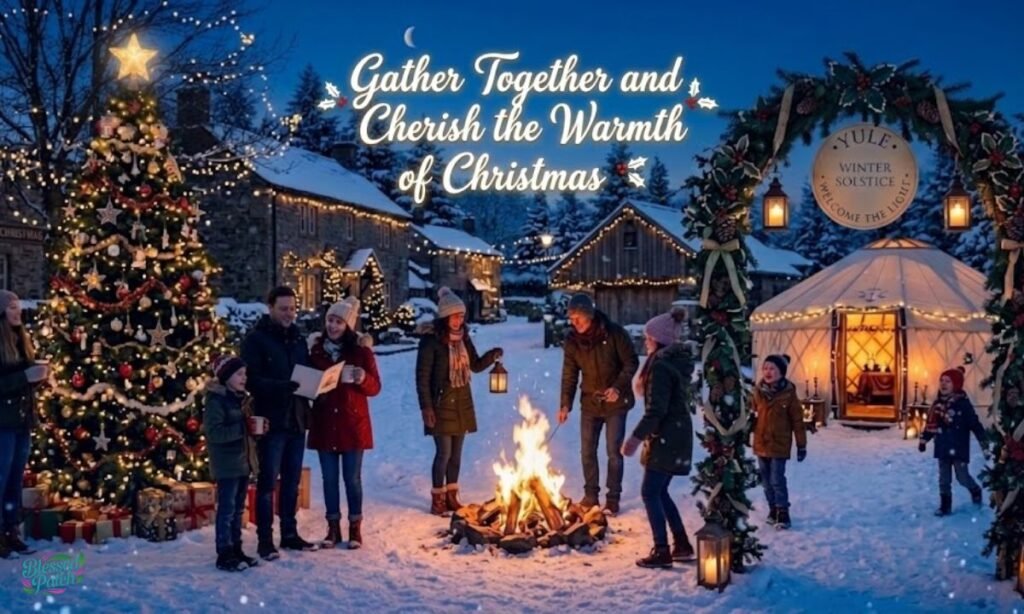
Christmas falls on December 25, just a few days after the winter solstice in the Northern Hemisphere. Christmas celebrates the birth of Jesus Christ, while the solstice marks the shortest day and longest night of the year. Historians have explored possible connections between Christmas and Roman midwinter celebrations, including Saturnalia and the festival of Sol Invictus, associated with the “Unconquered Sun.” However, the exact reasons the early Church chose December 25 remain debated.
Winter traditions such as candles, greenery, festive meals, and gatherings reflect the season’s long-standing connection with light and warmth. Some customs are linked to older European midwinter celebrations, including Yule, while others developed through Christian traditions over time. Christmas and the winter solstice are not the same celebration, but both can remind people of hope, renewal, and the return of brighter days.
Why the Earliest Sunset Comes Before the Solstice
The earliest sunset usually happens several days before the winter solstice. This may seem surprising because the solstice brings the shortest day of the year. The difference occurs because Earth’s tilted axis and elliptical orbit affect the timing of solar noon.
Sunrise and sunset do not shift at exactly the same rate throughout the year. As a result, the earliest sunset and latest sunrise fall on different dates around the solstice. These changes are part of the natural movement of Earth around the Sun.
The Longest Shadow of the Year
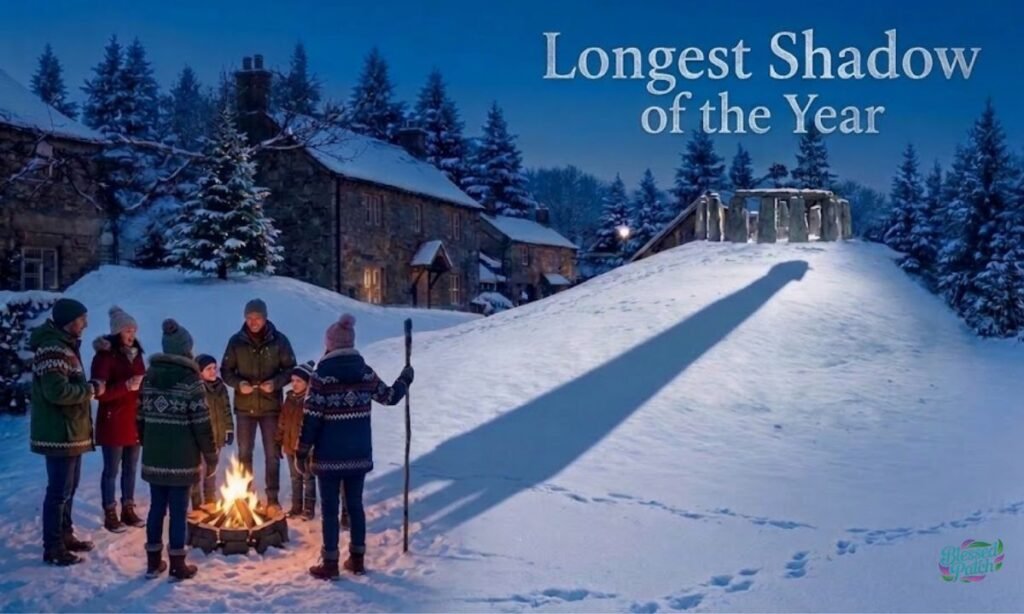
The winter solstice brings the Sun’s lowest midday position in the sky for the year in the Northern Hemisphere. When sunlight arrives at a low angle, it creates long shadows on the ground. Trees, buildings, and people can cast noticeably longer shadows than they do in summer.
The exact length of a shadow depends on the object’s height and your location. Places farther north generally experience a lower midday Sun during winter. Watching how shadows change throughout the seasons offers a simple way to understand the effects of Earth’s tilt.
Winter Solstice Folk Weather Lore
People have observed the sky and seasonal changes for centuries to understand winter weather. These traditional beliefs offer a glimpse into how earlier generations interpreted nature. Although interesting, folk sayings are not reliable substitutes for modern weather forecasts.
Sunshine and Future Harvests
Traditional beliefs linked winter sunshine with a good harvest in the coming year. However, crop growth depends on rainfall, soil, and seasonal temperatures.
December Thunder and Changing Weather
Some folk sayings connect December thunder with milder weather ahead. In reality, thunder cannot reliably predict the coming season.
Cold Weather After the Solstice
Days grow longer after the winter solstice, but temperatures may continue to fall. In many regions, the coldest period often comes after the solstice.
Christmas Sunshine and Apple Harvests
Some old sayings link sunny Christmas weather with a plentiful apple harvest. However, one sunny day cannot predict future crop yields.
From a Mild Christmas to a Cold Easter
Traditional folklore suggests a mild Christmas may be followed by a cold Easter. However, winter weather cannot reliably predict spring conditions.
Signs in Nature
People once watched wind, frost, clouds, and animal behavior for weather clues. Today, scientific forecasts provide more reliable predictions.
These sayings are best enjoyed as winter folklore, not scientific predictions. For practical planning, check a trusted local weather service or a regional long-range forecast.
How to Celebrate a Happy Winter Solstice at Home
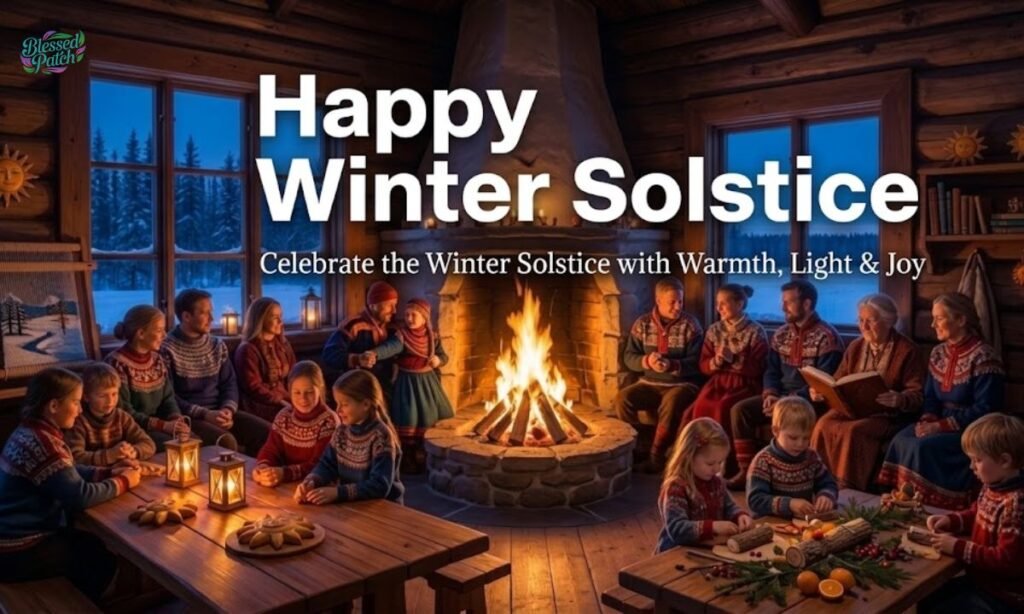
You can celebrate a Happy Winter Solstice at home with simple activities and meaningful winter blessings that bring warmth to the shortest day of the year. These ideas help you enjoy the season, connect with loved ones, and welcome the return of longer days.
Light Candles to Welcome the Light
Light a few candles in the evening to symbolize hope and the gradual return of sunlight. Enjoy the peaceful atmosphere as you welcome the winter season.
Enjoy a Warm Winter Drink
Prepare hot chocolate, tea, or your favorite warm drink. Relax with your cup and enjoy a cozy moment on this special winter day.
Share a Meal with Loved Ones
Prepare a comforting meal and invite family or friends to join you. Sharing food is a simple way to create happy memories and celebrate togetherness.
Decorate Your Home with Winter Touches
Add natural decorations such as pinecones, evergreen branches, or seasonal wreaths. These simple touches can make your home feel warm and welcoming.
Watch the Winter Sunset
Take a few minutes to watch the sunset and notice the beauty of the changing sky. Reflect on the past year and look forward to the brighter days ahead.
Write Down Your Hopes for the New Season
Write a few personal goals, hopes, or things you feel grateful for. This small activity can help you welcome the coming months with a positive mindset.
Read Winter Poems or Stories
Choose a winter poem, an inspiring story, or a favorite book to enjoy during the evening. Reading offers a relaxing way to appreciate the quiet beauty of winter.
Spend Time in Nature
Take a short walk outdoors if the weather allows, or observe the winter sky from your window. Notice the seasonal changes and enjoy a peaceful connection with nature.
Frequently Asked Questions
Is the Winter Solstice really the start of winter?
Yes, the winter solstice marks the first day of astronomical winter in the Northern Hemisphere. In 2026, it falls on December 21, while meteorological winter begins on December 1.
Can You See the Winter Solstice?
You cannot see the solstice itself, but you can observe its effects. Watch the low midday Sun, long shadows, and short daylight hours.
What color to wear on winter solstice?
You can wear white, gold, green, or red to celebrate the day. These colors can symbolize light, warmth, nature, and renewal.
Why is the winter solstice in 2026 significant?
It marks the shortest day and longest night of the year in the Northern Hemisphere. Afterward, daylight gradually begins to increase.
What is the difference between solstice and equinox?
A solstice marks the yearly extremes of daylight, while an equinox marks the transition between seasons when day and night are nearly equal.
Why is the winter solstice so powerful?
Many cultures view the solstice as a symbol of hope and renewal. Astronomically, it marks a turning point in the annual cycle of daylight.
How do people celebrate the winter solstice?
People celebrate with candles, warm meals, nature walks, and family gatherings. Some also follow cultural or spiritual traditions.
What are the Irish History and Traditions of the Winter Solstice?
Ireland is famous for Newgrange, an ancient passage tomb aligned with the winter solstice sunrise. Sunlight enters its inner chamber around this time of year.
Conclusion
Winter Solstice 2026 is a special moment that marks a change in the seasons. It brings the shortest day and longest night in the Northern Hemisphere. This time of year has inspired many winter traditions around the world. It also reminds us that every season brings something new.
You can welcome winter with simple activities and meaningful moments. Explore winter solstice traditions, enjoy time with loved ones, or watch the winter sunset. Learning about the first day of winter helps us understand nature better. May this season bring you comfort, fresh hope, and peaceful days ahead.

Rebecca is a dedicated writer with 4 years of experience creating blogs about blessings, prayers, and Bible verses. She now contributes to BlessedPatch.com, sharing uplifting messages, faith-based inspiration, and daily spiritual content to encourage readers and strengthen their connection with God.