People often say “Have a Blessed Day” without thinking much about it. It sounds simple, but it carries a warm and caring message. This phrase is more than just a polite goodbye. It reflects kindness, hope, and positive feelings. Many people use it as part of their daily greetings to spread good vibes.
When someone says it, they are wishing peace and happiness for your day. It can feel comforting, even in a short moment. For some, it has a spiritual touch, while for others it is simple kindness. This shows the meaning of blessed day goes deeper than words. Small phrases like this can make a big difference in everyday life.
A Simple Phrase With a Powerful Message

“Have a Blessed Day” is short but carries a lot of meaning. It shows care, positivity, and good intentions toward others. Even a few words can make someone feel appreciated. Small phrases like this often leave a lasting impact.
It’s simple to say, but it spreads warmth and kindness. People remember these little gestures more than grand actions. A thoughtful phrase can brighten someone’s mood instantly. Words have the power to lift spirits in everyday life.
Using this phrase often shows that you notice the good in life. It reflects gratitude and mindfulness. By sharing it, you encourage positivity in others too. A simple phrase can be a powerful tool for connection.
Why Words Like These Matter in Daily Life
Words like “Have a Blessed Day” remind us to focus on positivity. They encourage kindness, gratitude, and mindfulness every day. Small phrases can improve someone’s mood or even their whole day.
In a busy, stressful world, these words create a moment of calm and care. They help strengthen relationships and make interactions warmer. Saying kind things often spreads goodwill naturally.
Even if someone is having a bad day, hearing positive words can make a difference. These phrases remind us that simple gestures matter. Daily kindness through words builds a happier environment for everyone.
The Meaning Behind “Have a Blessed Day”
“Have a Blessed Day” is more than just a greeting—it’s a way to wish someone happiness, peace, and good fortune. The phrase has roots in the Bible, where blessings often meant God’s favor and protection. Saying it today reflects kindness and hope for someone’s well-being. This shows the have a blessed day meaning of spreading goodwill and care to others.
It also shows mindfulness and gratitude in everyday life. While it has religious origins, you can use it to spread positivity whether or not someone is spiritual. The words remind us to notice the good in life and share it with others.
Ultimately, “Have a Blessed Day” connects people through care and encouragement. It’s a simple way to make daily life warmer and more meaningful, blending traditional blessings with everyday kindness.
The Difference Between “Blessed” and “Blessing”
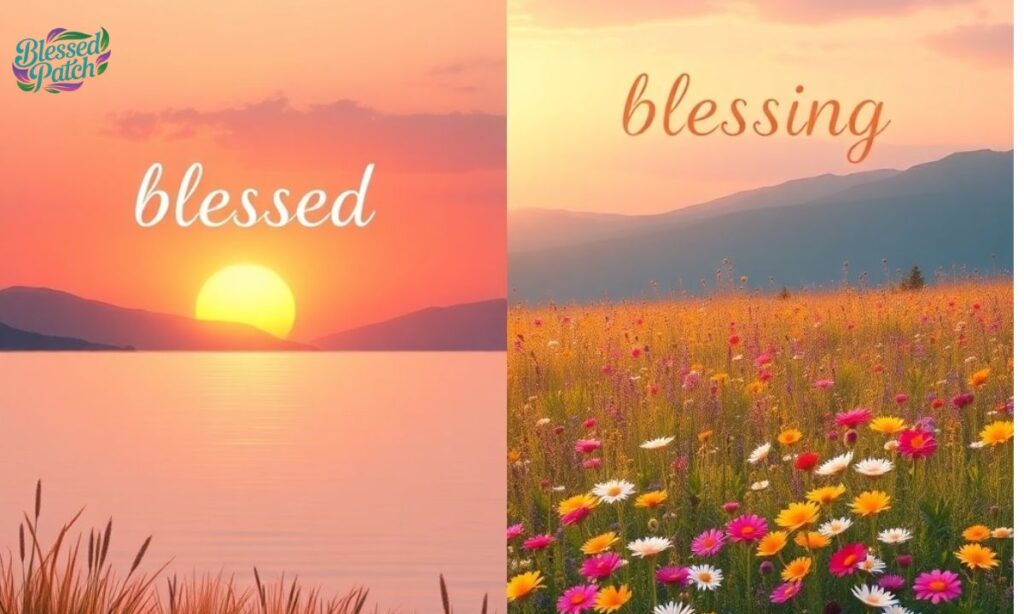
“Blessed” usually describes how you feel inside, like being thankful or lucky. A “blessing” is something good that happens to you or is given to you. For example, having friends who support you can be a blessing. Saying you are “blessed” shows you notice and appreciate the good in life.
Sometimes people confuse the two, but the key is that one is a state, and the other is a gift. “Blessed” is personal and reflective, while “blessing” points outward to what you receive. Both words carry positivity, but they are used differently in sentences. Understanding this difference helps you express gratitude clearly.
Using them correctly also makes your speech or writing feel thoughtful. Saying “I feel blessed” focuses on your feelings. Saying “This is a blessing” focuses on the thing or event itself. Both are ways to acknowledge good things, but with slightly different emphasis.
Is It Religious or Just Kind?
The words “blessed” and “blessing” come from religious traditions, but people use them in everyday life too. You don’t have to be spiritual to say you feel blessed. Many use these words simply to show gratitude or kindness toward life.
Sometimes saying it can feel like a polite or warm gesture, like wishing someone well. For instance, saying “Blessing in disguise” doesn’t necessarily reference religion. It just shows that you are seeing the good side of something negative.
Using these words can make conversations more positive. It encourages people to focus on what’s good rather than bad. Whether religious or not, it’s a simple way to spread appreciation and hope.
What Saying It Reveals About You
When you say “blessed” or talk about a “blessing,” it shows you notice the good in life. It reveals that you are grateful and reflective about what you have. People may see you as thoughtful and kind.
It also shows positivity and humility. You aren’t just celebrating yourself; you are recognizing support, love, or luck around you. This mindset can make others feel valued and appreciated.
Finally, it highlights your mindset toward life. Gratitude and awareness of blessings suggest emotional intelligence. People who use these words often focus on joy, growth, and seeing the brighter side of challenges.
Everyday Situations Where “Have a Blessed Day” Fits Naturally
Saying “Have a blessed day” is a warm, positive way to wish someone well. You don’t need to be religious to use it—it works anytime you want to spread kindness or good vibes. Here are some common situations where it fits naturally:
- Morning greetings: Saying it to family, friends, or coworkers when you part ways in the morning.
- After helping someone: When you assist someone and want to leave them with a positive message.
- Ending an email or message: A friendly and thoughtful way to close personal or informal emails.
- At a store or café: Telling the cashier or barista this phrase after a pleasant interaction.
- During social media posts: Commenting or messaging to encourage positivity online.
- Before someone faces a challenge: Wishing them well for exams, meetings, or travel.
- Casual farewells: Saying it to neighbors or acquaintances when leaving a social gathering.
It works in many situations because it’s simple, kind, and spreads positivity without needing a formal or religious context.
Common Misunderstandings and Cultural Differences
Sometimes people think saying “Have a blessed day” is only for religious people. In reality, many use it simply to express kindness or positivity. Different cultures interpret it differently—some see it as spiritual, others as polite. Being aware of these differences helps you use the phrase respectfully.
Some may feel it’s too formal or unusual in casual settings. Others might misunderstand the intent and think it’s preaching. Context matters: who you’re talking to and where you are can change how it’s received. Understanding this avoids awkward situations.
Overall, the phrase can be universal if used with care. It’s a way to wish someone well without demanding belief. Learning cultural and social cues ensures it spreads warmth rather than confusion.
How to Respond to “Have a Blessed Day”
A simple “Thank you, you too” works in almost every situation. You can also smile or nod to show you appreciate the kind wish. If you feel comfortable, replying with “Thanks, have a great day as well” adds a friendly touch.
Some people may respond with humor, like “I’ll try my best!” which is also fine. The key is to match the tone—friendly and polite responses keep the interaction positive.
Even if you’re not religious, responding warmly shows respect for someone else’s kind intention. It’s more about acknowledging their goodwill than agreeing with any belief.
Good Morning Have a Blessed Day Wishes
Saying “Have a blessed day” in the morning is a warm way to start someone’s day positively. It shows care and spreads good energy right from the start. You can say it to family, friends, or coworkers. It’s simple, kind, and makes mornings feel brighter.
It works well in messages or in person, adding a personal touch. Even a short “Good morning! Have a blessed day!” can lift someone’s mood. Using it regularly shows thoughtfulness. People often remember small, positive gestures like this.
The phrase also reminds both you and the listener to focus on gratitude. Starting the day with positive words can set the tone for kindness. It’s a gentle way to encourage mindfulness and optimism.
Ending a Prayer with “Have a Blessed Day”
Closing a prayer with “Have a blessed day” adds a personal and caring touch. It transitions from a spiritual moment to everyday life. It’s like saying, “May the blessings continue as you go about your day.”
This phrase works for formal or casual prayers, in person or online. It’s gentle and inclusive, letting everyone feel the positive intention. People feel encouraged and appreciated when prayers end this way.
Ending with it also strengthens the sense of community and connection. It reminds everyone that blessings are ongoing, not just during the prayer. It leaves a hopeful and kind impression for the rest of the day.
Why Spreading Blessings Still Matters Today
Using phrases like “Have a blessed day” encourages kindness and positivity in daily life. Small gestures of goodwill can brighten someone’s mood unexpectedly. Even simple words can create a ripple effect of positivity around you.
It reminds people to notice the good in their lives. Expressing blessings can build stronger relationships and a sense of community. Gratitude and encouragement are valuable in fast-paced, stressful environments.
Spreading blessings also helps you stay mindful and thankful. When you focus on good intentions, it improves your own outlook. In today’s world, a small positive word can make a meaningful difference.
Frequently Asked Questions
What does “Have a Blessed Day” mean?
“Have a Blessed Day” means wishing someone a day full of happiness, positivity, and good fortune. It’s a kind way to show care and spread goodwill.
How to wish someone a blessed day?
You can wish someone a blessed day by simply saying, “Have a Blessed Day!” with a smile. You can also add a personal touch like, “Hope your day is full of happiness and joy!” to make it warmer and more thoughtful.
Are there famous Have a Blessed Day quotes?
Yes, there are many famous Have a Blessed Day quotes. One example is: “May your day be filled with love, joy, and countless blessings.” These quotes inspire gratitude and positivity in everyday life.
Can I send Have a Blessed Day images to friends?
Yes, you can send Have a Blessed Day images to friends. It’s a simple and thoughtful way to share positivity and kindness.
Can I say “Have a Bless Day” casually?
People might understand, but it sounds like a typo. It’s better to use “Have a Blessed Day”.
Can I say “Have a Blessed Day” to non-religious people?
Yes, you can say “Have a Blessed Day” to non-religious people. It’s a friendly way to wish someone well and spread positivity, not necessarily a religious message.
Conclusion
Saying “Have a Blessed Day” may seem simple, but it carries a lot of meaning. It shows gratitude, spreads positivity, and reminds people to notice the good around them. Even small words like this can make someone’s day brighter. Using it often reflects kindness and thoughtfulness in daily life.
The phrase “Have a Blessed Day” connects people and creates a warm, caring vibe. It encourages mindfulness, hope, and a sense of well-being. No matter the setting, it’s a gentle way to share good intentions. Simple words can leave a lasting positive impact.

Rebecca is a dedicated writer with 4 years of experience creating blogs about blessings, prayers, and Bible verses. She now contributes to BlessedPatch.com, sharing uplifting messages, faith-based inspiration, and daily spiritual content to encourage readers and strengthen their connection with God.