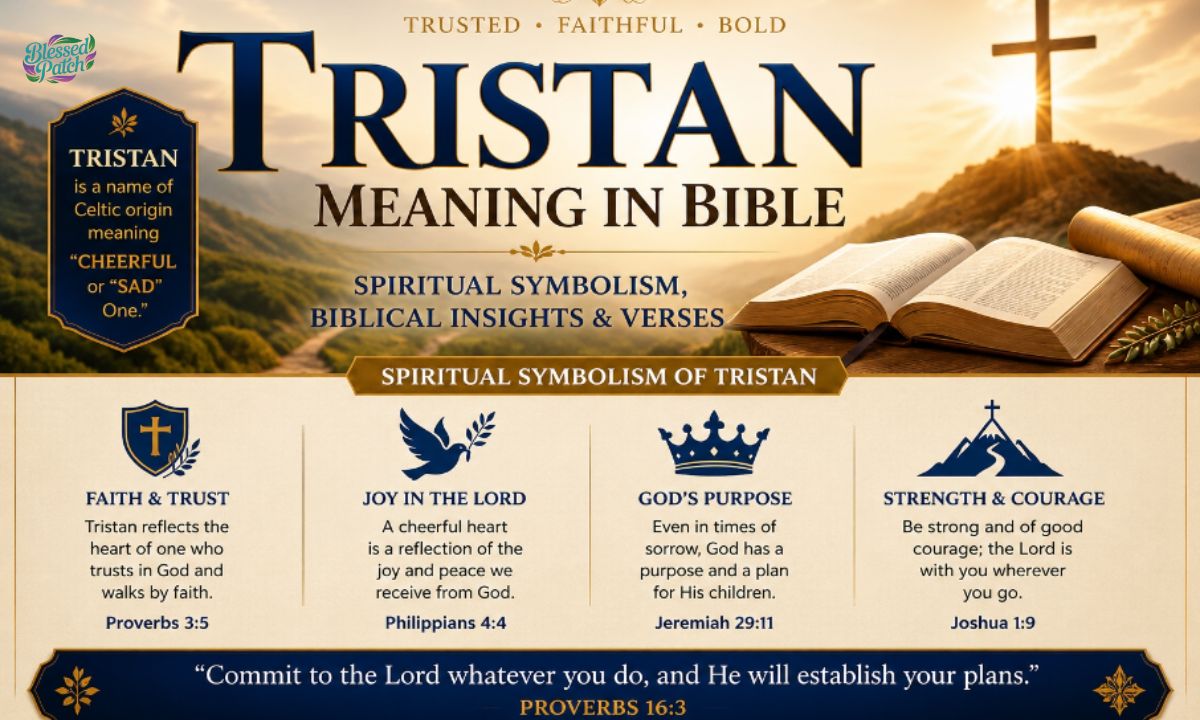
Many people search for the Tristan Meaning in Bible to learn whether the name has a biblical connection. Although Tristan is not mentioned in Scripture, it is often associated with themes of sorrow, hope, endurance, and faith. These ideas appear throughout the Bible, giving the name a meaningful spiritual perspective.
Whether you’re choosing a baby name or simply exploring its significance, understanding Tristan through biblical principles can provide encouragement. This article explains the name’s origin, possible Christian meaning, related Bible verses, and practical faith lessons.
Tristan in the Bible – More Than Just a Name

The Bible often gives names special meaning because they reflect a person’s character or God’s purpose. Although Tristan is not a biblical name, its traditional meaning can still be viewed through the teachings of Scripture.
Rather than focusing on whether the name appears in the Bible, Christians can reflect on the spiritual lessons it represents. God’s Word reminds believers that He brings hope, strength, and restoration even during life’s most difficult seasons.
What Does the Name Tristan Mean?
Tristan is believed to come from the Old French form of the Celtic names Drustan or Trystan. Over time, it became connected with the French word triste, meaning “sad” or “sorrowful.”
Common meanings linked with Tristan include:
- Sorrowful
- One who faces hardship
- Strength through trials
- Endurance during difficulties
Although scholars continue to debate its exact origin, many people today associate the name with overcoming challenges rather than remaining in sorrow.
Can Tristan Have a Biblical Meaning?
Yes, but not because the name appears in Scripture.
Many Christians connect Tristan with biblical teachings about faith, hope, perseverance, and God’s comfort during difficult times. The Bible teaches that God strengthens His people, comforts the brokenhearted, and uses trials to build character.
From this perspective, Tristan becomes a reminder that hardship can lead to spiritual growth and a deeper trust in God.
Is Tristan Mentioned in the Bible?
The simple answer is no.
Tristan does not appear in either the Old or New Testament. It is not the name of a prophet, king, disciple, or any other biblical figure.
However, this does not make the name unsuitable for Christians. Many names used today are not found in Scripture. What matters most is whether the name reflects values that honor God.
Is Tristan Found in Scripture?
No biblical manuscript contains the name Tristan.
The name developed centuries after the events recorded in the Bible. Therefore, no verse directly explains its meaning.
Instead, Christians often compare its traditional symbolism with biblical teachings about hope, endurance, and God’s faithfulness during life’s challenges.
Why Christians Still Search for Its Biblical Meaning
Many Christian parents want names that reflect their faith and values.
Although Tristan is not a biblical name, the Bible frequently speaks about God’s comfort, perseverance, and hope during difficult times. These themes help explain why many believers continue searching for the Tristan Meaning in Bible.
Origin and Etymology of Tristan
The name Tristan has a long European history. Although its exact origin remains uncertain, most scholars agree that it comes from Old French and Celtic traditions rather than biblical languages.
Old French Roots
The modern spelling Tristan became popular through medieval French literature.
Because it resembles the French word triste (“sad”), the name became associated with sorrow. From a Christian perspective, however, sorrow is not the end of the story. Scripture teaches that God brings comfort, healing, and hope to those who trust Him.
Celtic Origins
Before becoming Tristan, the name likely appeared in Celtic cultures as Drustan or Trystan.
Some historians believe these earlier forms referred to strength or noble heritage instead of sadness. While scholars disagree about the original meaning, the name has remained popular for generations.
Its history reminds us that a person’s character matters far more than the origin of a name.
The Legend of Tristan and Isolde
The name became famous through the medieval romance Tristan and Isolde.
The story tells of a brave knight whose tragic love story spread throughout Europe. Because of this legend, many people associate Tristan with sadness and sacrifice.
However, the story is a work of fiction rather than biblical history.
A Name Reinterpreted
Today, many Christians view Tristan differently.
Instead of focusing only on sorrow, they see it as a symbol of hope, courage, perseverance, and trust in God. This interpretation reflects the Bible’s message that God can transform pain into purpose and strengthen those who rely on Him.
Tristan Name Meaning Bible: Biblical Significance and Spiritual Insights

Although Tristan is not found in Scripture, its traditional meaning connects well with several biblical principles. The Bible teaches that God remains with His people during suffering and uses hardships to strengthen their faith.
Many biblical figures experienced difficult seasons before receiving God’s blessings. Joseph was betrayed before becoming a leader, David endured years of trials before becoming king, and Job remained faithful despite great loss. Their lives show that God can use hardship for a greater purpose.
Why the Name Is Not in the Bible
Tristan originated in medieval Europe long after the Bible was written.
Since Scripture was originally written in Hebrew, Aramaic, and Greek, the name does not appear in biblical records.
Like many modern Christian names, Tristan can still reflect biblical values even though it is not found in Scripture.
Biblical Principles Associated with Tristan
Although Tristan is not a biblical name, its symbolism reflects several important biblical truths.
God Is With Us in Hard Times
The Bible promises that God never abandons His children. During sorrow and uncertainty, His presence brings peace, strength, and comfort.
Trials Build Spiritual Growth
God often uses challenges to develop patience, perseverance, and stronger faith. Difficult seasons help believers depend more fully on Him.
Hope Is Stronger Than Sorrow
Scripture teaches that sorrow is temporary, but God’s promises last forever. Believers can live with hope because God remains faithful in every situation.
Christian Interpretation of the Name
Today many Christians view Tristan as a symbolic name rather than a biblical one.
It often represents:
- Faith during trials
- Strength through God’s grace
- Hope after hardship
- Trust in God’s plan
- Spiritual perseverance
These qualities reflect the Bible’s message of redemption, endurance, and hope.
Bible Verses That Reflect Tristan’s Meaning

Although Tristan is not mentioned in the Bible, many Scriptures reflect the spiritual themes connected with the name. These verses encourage believers to trust God through every season of life.
God Is Close to the Brokenhearted
Psalm 34:18
“The Lord is close to the brokenhearted and saves those who are crushed in spirit.”
This verse reminds believers that God comforts those who are hurting and never leaves them during difficult times.
Suffering Produces Strength
Romans 5:3–5
“Suffering produces perseverance; perseverance, character; and character, hope.”
God uses hardships to strengthen faith and develop spiritual maturity.
Trials Build Faith and Trust
James 1:2–4
“The testing of your faith produces perseverance.”
Every challenge becomes an opportunity to trust God’s wisdom and grow spiritually.
God’s Power Shines Through Weakness
2 Corinthians 12:9
“My grace is sufficient for you, for my power is made perfect in weakness.”
God’s strength is greatest when believers rely completely on Him.
Mourning Will Turn to Joy
Psalm 30:5
“Weeping may stay for the night, but rejoicing comes in the morning.”
This verse reminds Christians that difficult seasons are temporary and hope always remains in God.
God Brings Purpose Out of Pain
Romans 8:28
“In all things God works for the good of those who love him.”
God can use every challenge to accomplish His greater purpose in the lives of those who trust Him.
God Restores the Weary
Isaiah 40:31
“Those who hope in the Lord will renew their strength.”
God renews those who place their confidence in Him and gives them strength to continue their journey of faith.
Spiritual Symbolism of the Name Tristan
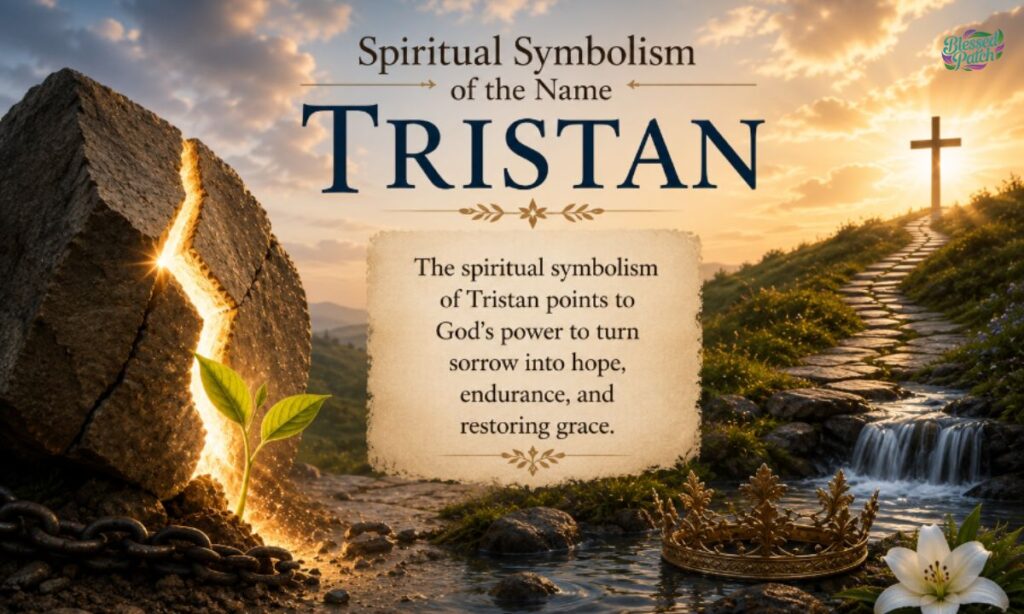
The Tristan Meaning in Bible is understood through spiritual symbolism rather than a direct biblical reference. While the name is traditionally connected with sorrow, Scripture teaches that God brings hope, strength, and purpose through difficult seasons. For many Christians, Tristan represents a faith journey in which hardships become opportunities for spiritual growth.
Sorrow → Strength
Sorrow is a part of life, but it does not have to lead to despair. Throughout the Bible, God uses painful experiences to strengthen His people and deepen their faith.
Biblical figures such as Job, Joseph, and David endured great trials before experiencing God’s blessings. Their lives remind believers that God can turn weakness into strength and suffering into spiritual maturity.
Because of this, Tristan can symbolize courage, endurance, and unwavering faith rather than sadness alone.
Trials → Trust
Every challenge gives believers an opportunity to trust God more deeply.
The Bible teaches that faith grows through testing. Difficult situations encourage Christians to rely on God’s wisdom instead of their own understanding. Even when answers are delayed, God remains faithful to His promises.
Viewed this way, Tristan reminds believers that trials are opportunities to grow closer to God rather than signs of His absence.
Pain → Purpose
One of the greatest messages in Scripture is that God can bring purpose out of pain.
Joseph’s suffering eventually saved many lives. Ruth’s loss became part of God’s redemption story, and the Apostle Paul faithfully served Christ despite persecution.
These examples show that God can use every experience for His glory. Tristan reminds Christians that today’s struggles may become tomorrow’s testimony.
Faith → Restoration
The Bible repeatedly shows God’s restoring power.
Job received restoration after his suffering, Peter was restored after denying Jesus, and Naomi found renewed hope after great loss.
These stories remind believers that God heals broken hearts, restores hope, and gives new strength to those who remain faithful. Tristan can therefore represent restoration through God’s grace.
Biblical Interpretation of Tristan in Dreams or Real Life
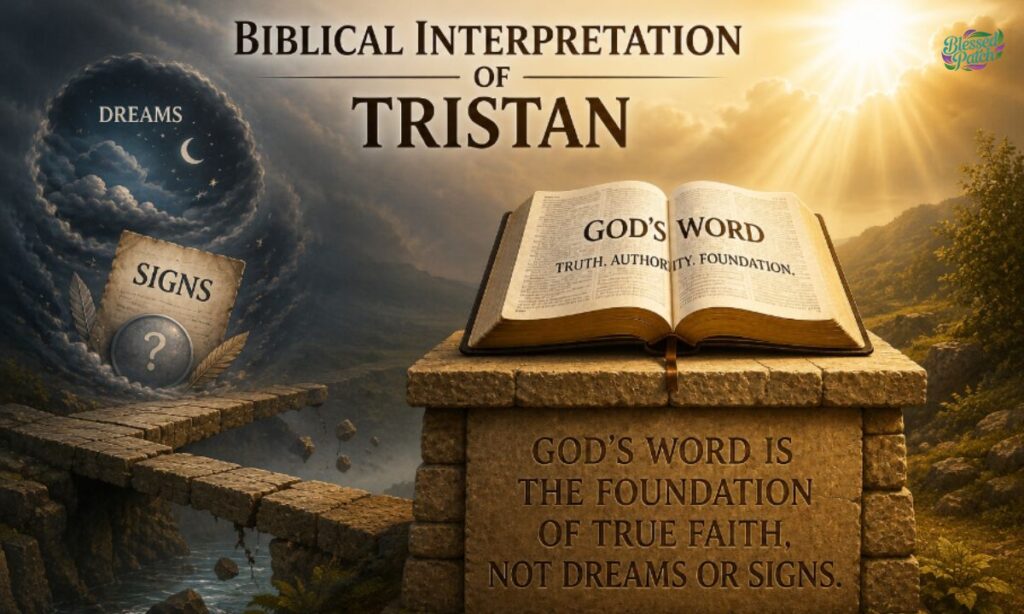
Some people wonder whether hearing the name Tristan repeatedly or dreaming about it has spiritual meaning. While God can encourage people in many ways, the Bible teaches believers to test every experience against Scripture.
Instead of looking for hidden meanings, Christians should focus on God’s revealed truth in His Word.
Seeing the Name Tristan in a Dream
The Bible records several dreams through which God spoke to His people, but not every dream is a divine message.
Dreaming about Tristan does not automatically carry biblical significance. Often, dreams simply reflect personal thoughts or experiences.
If a dream encourages someone to pray, trust God, or grow spiritually, it can become an opportunity for reflection. However, believers should never build doctrine on dreams alone.
Spiritual Lessons Christians May Draw
Whether someone encounters the name Tristan in daily life or a dream, it can remind them of biblical truths such as:
- Trust God during difficult seasons.
- Hope remains even in sorrow.
- Faith grows through trials.
- God’s grace is always sufficient.
- Every hardship can serve God’s purpose.
These lessons come from Scripture rather than from the name itself.
Biblical Discernment Before Assigning Meaning
The Bible encourages believers to practice discernment.
Before assigning spiritual meaning to any name, dream, or event, Christians should ask:
- Does it agree with Scripture?
- Does it draw me closer to Christ?
- Does it strengthen my faith?
- Does it glorify God?
If the answer is yes, it may serve as a helpful reminder of biblical truth. If not, believers should rely on God’s Word instead of personal feelings.
Practical Lessons and Faith Insights

Although Tristan is not a biblical name, its symbolism points to several valuable faith lessons that Christians can apply every day.
Trust God During Difficult Seasons
Life includes moments of uncertainty, disappointment, and loss. During these seasons, believers are called to trust God’s wisdom even when they cannot understand His plan.
Faith does not remove every challenge, but it gives strength to face each one with confidence in God’s promises.
Hope Beyond Sorrow
The Bible reminds believers that sorrow is temporary, but God’s love is everlasting.
No matter how difficult life becomes, Christians can hold on to hope because God remains faithful. His mercy is renewed every morning, and His promises never fail.
This hope gives deeper meaning to Tristan by reminding believers that joy can follow seasons of pain.
God’s Plan Is Greater Than Pain
God sees the complete picture while people see only a small part of it.
He can use waiting to build patience, hardship to strengthen faith, and disappointment to prepare His people for greater blessings.
The Tristan Meaning in Bible reminds believers that God’s purpose is always greater than their pain and that He works for the good of those who trust Him.
Is Tristan a Good Christian Name?
Many Christian parents want a name that reflects positive values and faith. Since Tristan is not mentioned in the Bible, some wonder whether it is appropriate for a Christian child.
The answer is yes.
Although Tristan is not biblical in origin, it does not conflict with biblical teaching. Christians are free to choose meaningful names that honor their family values and remind them of God’s faithfulness.
The Bible places greater importance on a person’s character than on the origin of a name.
Christian Values Behind the Name
Many believers connect Tristan with qualities encouraged throughout Scripture, including:
- Faith during difficult times
- Hope in God’s promises
- Perseverance through trials
- Courage to face challenges
- Trust in God’s plan
- Spiritual growth
When understood this way, Tristan becomes more than just a name. It serves as a reminder that God remains faithful in every season of life.
Should Christian Parents Choose Tristan?
Yes.
Although Tristan is not found in the Bible, many Christian parents appreciate its symbolic meaning when viewed through Scripture.
The name can remind a child that God gives strength during weakness, hope after sorrow, and grace during every trial.
More important than any name is raising a child with a strong Christian foundation rooted in God’s Word.
Tristan in Legends vs. Christian Truth
The name Tristan became famous because of the medieval story Tristan and Isolde. While the legend influenced the popularity of the name, it should not be confused with biblical truth.
Understanding the difference helps Christians appreciate the name’s history while keeping their faith centered on Scripture.
Meaning in Medieval Legend
In medieval literature, Tristan is portrayed as a brave knight whose tragic love story with Isolde became famous across Europe.
The legend explores love, loyalty, sacrifice, and heartbreak. Because of this story, many people connect Tristan with sadness.
However, it remains a fictional story rather than biblical history.
Symbolic Christian Interpretation
Christians often understand Tristan differently.
Instead of seeing only sorrow, they view the name as a reminder that God transforms pain into hope and strengthens those who trust Him.
From a biblical perspective, Tristan can symbolize:
- Hope after hardship
- Faith during trials
- God’s comfort in sorrow
- Spiritual endurance
- Restoration through God’s grace
This interpretation reflects the Gospel’s message of redemption rather than tragedy.
Key Differences Between Legend and Scripture
| Medieval Legend | Biblical Truth |
| Fictional romance | God’s inspired Word |
| Human tragedy | God’s redemption |
| Hope depends on circumstances | Hope is found in Christ |
| Love often ends in sorrow | God’s love is eternal |
| Human choices control the story | God remains sovereign |
This comparison reminds believers that while legends may be meaningful stories, the Bible remains the ultimate source of truth.
Frequently Asked Questions
What does the name Tristan mean in the Bible?
The name Tristan is not mentioned in the Bible, but it is often associated with biblical themes of faith, hope, perseverance, and God’s comfort during trials.
Why do people search for the Tristan Name Meaning Bible?
Many people search for the Tristan Name Meaning Bible to learn whether the name has a biblical connection and spiritual significance.
Is the name Tristan in the bible?
No, the name Tristan is not found in the Bible or mentioned in Scripture.
Where did the name Tristan originate?
The name Tristan originated from Old French and Celtic traditions, likely derived from the Celtic names Drustan or Trystan.
Is Tristan associated with positive biblical values?
Yes, although Tristan is not mentioned in the Bible, it is often associated with biblical values like faith, hope, perseverance, and trust in God.
Conclusion
The Tristan Meaning in Bible is not based on a direct biblical reference but on spiritual principles that reflect God’s character. Although the name comes from Old French and Celtic traditions, many Christians associate it with biblical themes of faith, perseverance, hope, and God’s restoring grace.
Whether you are choosing a name for a child or simply exploring its meaning, Tristan can remind believers that sorrow is never the end of the story. Through Christ, pain can lead to purpose, weakness can become strength, and hope can overcome every hardship. More important than the meaning of any name is living a life that trusts God and follows His Word.

Rebecca is a dedicated writer with 4 years of experience creating blogs about blessings, prayers, and Bible verses. She now contributes to BlessedPatch.com, sharing uplifting messages, faith-based inspiration, and daily spiritual content to encourage readers and strengthen their connection with God.